Reimagining Agentic Commerce for the AI Era

Commerce today is more than transactions; it’s intelligent, adaptive, and experience-led.

At Iterforge, we help enterprises transform how they sell and serve by combining AI-driven orchestration, composable commerce platforms, and data-connected ecosystems. Our approach unites flexibility, intelligence, and speed, enabling you to deliver smarter buying journeys, optimize operations, and scale seamlessly across markets.

The Challenges Enterprises Face in Adopting AI
Commerce Systems

Disconnected commerce systems and data silos

Customer, product, inventory, and order data often live in separate platforms, limiting real-time intelligence and coordinated decision-making.

Static, rule-based experiences

Static, rule-based experiences

Traditional personalization and merchandising rely on manual rules that cannot adapt dynamically to changing customer behavior or market conditions.

Slow response to customer intent

Slow response to customer intent

Enterprises struggle to act on real-time signals such as browsing behavior, demand shifts, or inventory fluctuations. 

Limited scalability of AI initiatives

Limited scalability of AI initiatives

AI pilots fail to scale across channels due to rigid architectures, governance challenges, and lack of orchestration. 

Operational complexity across channels

Managing B2C, B2B, marketplaces, and physical stores independently creates inefficiencies and inconsistent experiences.

Composable

How Iterforge Helps You Overcome These Challenges

At Iterforge, we help enterprises move beyond isolated automation toward agentic, intelligence-led commerce ecosystems. Our approach embeds AI agents directly into commerce workflows – connecting data, decision-making, and execution across the entire customer lifecycle. 

We focus on building systems that learn, adapt, and act autonomously, while remaining transparent, scalable, and enterprise ready. 

Our Approach

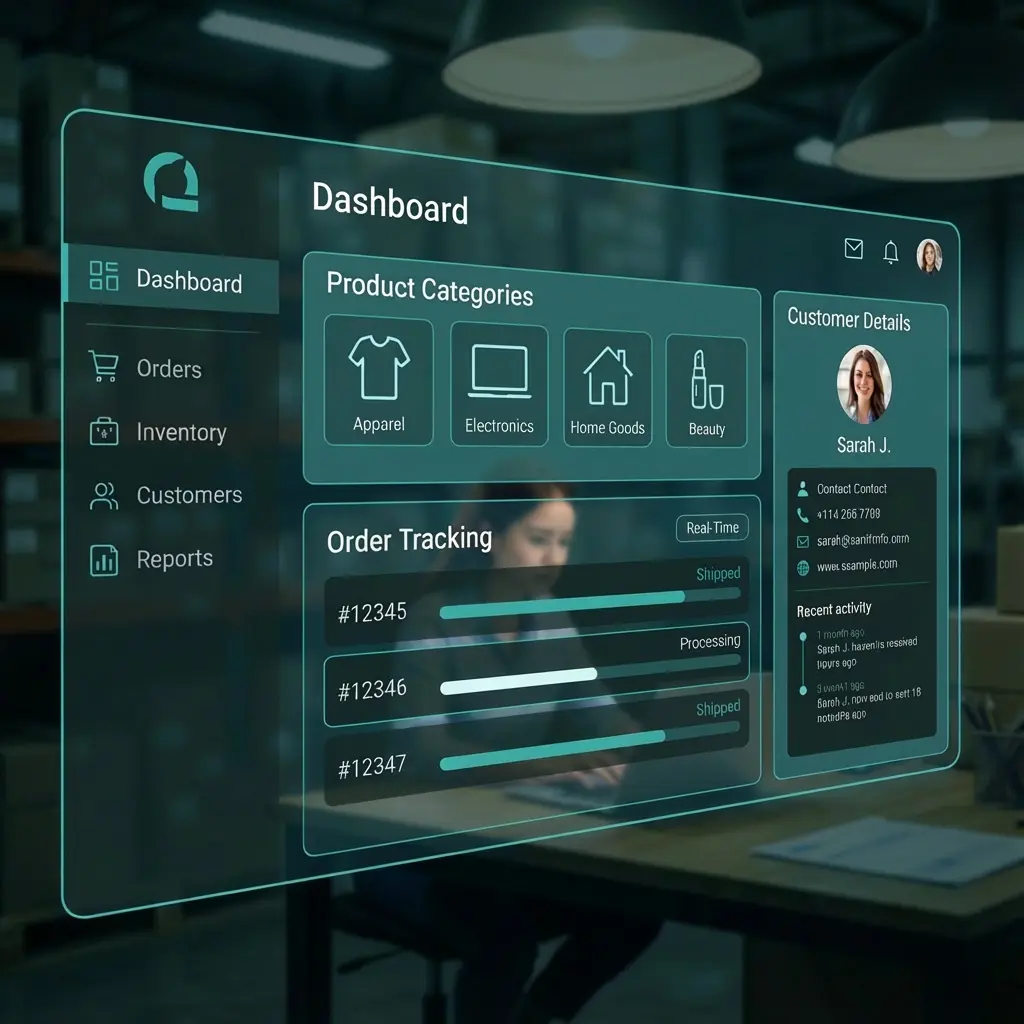
Unified, data-connected foundations

We break down silos by connecting customer, product, inventory, and operational data into a single intelligence layer that AI agents can continuously learn from.

Agent-driven decision-making

Intelligent agents proactively optimize merchandising, pricing, content, search, and fulfillment by responding to real-time signals instead of static rules. 

Composable, future-ready architecture

Composable, future-ready architecture

We design modular, API-first commerce ecosystems that allow AI capabilities to scale independently across channels, regions, and platforms. 

End-to-end orchestration

From discovery to checkout to post-purchase, AI agents coordinate actions across systems to deliver consistent, personalized experiences. 

Faster time-to-value

By embedding intelligence into existing commerce platforms and workflows, we help organizations realize measurable impact without disruptive replatforming. 

The Result

A commerce ecosystem that is adaptive, intelligent, and continuously improving – capable of delivering hyper-personalized experiences, operational efficiency, and scalable growth across digital and physical touchpoints.

Our Expertise

Agentic & AI-Driven Commerce Solutions

Agentic Commerce brings intelligent automation and decision-making into the heart of digital buying journeys. AI agents continuously analyze customer behavior, product performance, inventory signals, and operational workflows to take real-time actions that improve discovery, engagement, and conversion. These agents enhance key commerce functions, such as merchandising, pricing, content generation, search optimization, and customer service by operating autonomously or alongside human teams. The result is a commerce ecosystem that becomes smarter, faster, and more responsive with every interaction. By embedding intelligence into every layer of the experience, organizations unlock new levels of efficiency, personalization, and growth.

Key Benefits:

  • Increase operational efficiency with automated decision-making
  • Boost conversion through hyper-personalized experiences
  • Enhance merchandising accuracy and agility
  • Reduce time-to-value for new experience enhancements
  • Strengthen customer engagement across the lifecycle
  • Scale intelligence effortlessly across channels

Composable Commerce Architecture & Implementation

Modular, API-first, and cloud-native commerce ecosystems enable seamless support for both B2C and B2B buying journeys. A composable architecture allows brands to assemble best-of-breed capabilities, integrate new services with ease, and evolve their digital experiences without the constraints of legacy platforms. This approach delivers long-term agility, accelerates innovation cycles, and establishes a technical foundation built to adapt as customer expectations and market dynamics shift. By decoupling core components and enabling independent scalability, organizations gain greater flexibility, improved performance, and the freedom to innovate on their own terms.

Key Benefits:

  • Accelerate innovation with faster release cycles
  • Reduce platform risk and dependency on monolithic systems
  • Scale effectively across regions, devices, and channels
  • Lower long-term operational and development costs
  • Deliver tailored experiences for diverse customer journeys

Unified Order Management Services

Modern Order Management capabilities streamline and orchestrate the entire order lifecycle across B2C and B2B channels. Inventory, fulfillment, shipping, and post-purchase workflows are unified into a single, efficient system that delivers accuracy, speed, and a seamless customer experience. Whether integrating with existing OMS platforms or implementing composable order workflows, the focus is on reducing complexity through real-time visibility, intelligent routing, and automated exception handling. The result is a scalable, efficient, and resilient order ecosystem that evolves with business growth and customer expectations.

Key Benefits:

  • Increase order accuracy and fulfillment speed
  • Gain real-time visibility across channels
  • Reduce operational costs and manual effort
  • Deliver a superior post-purchase experience
  • Support complex B2B and B2C scenarios

Point of Sale (POS) Services

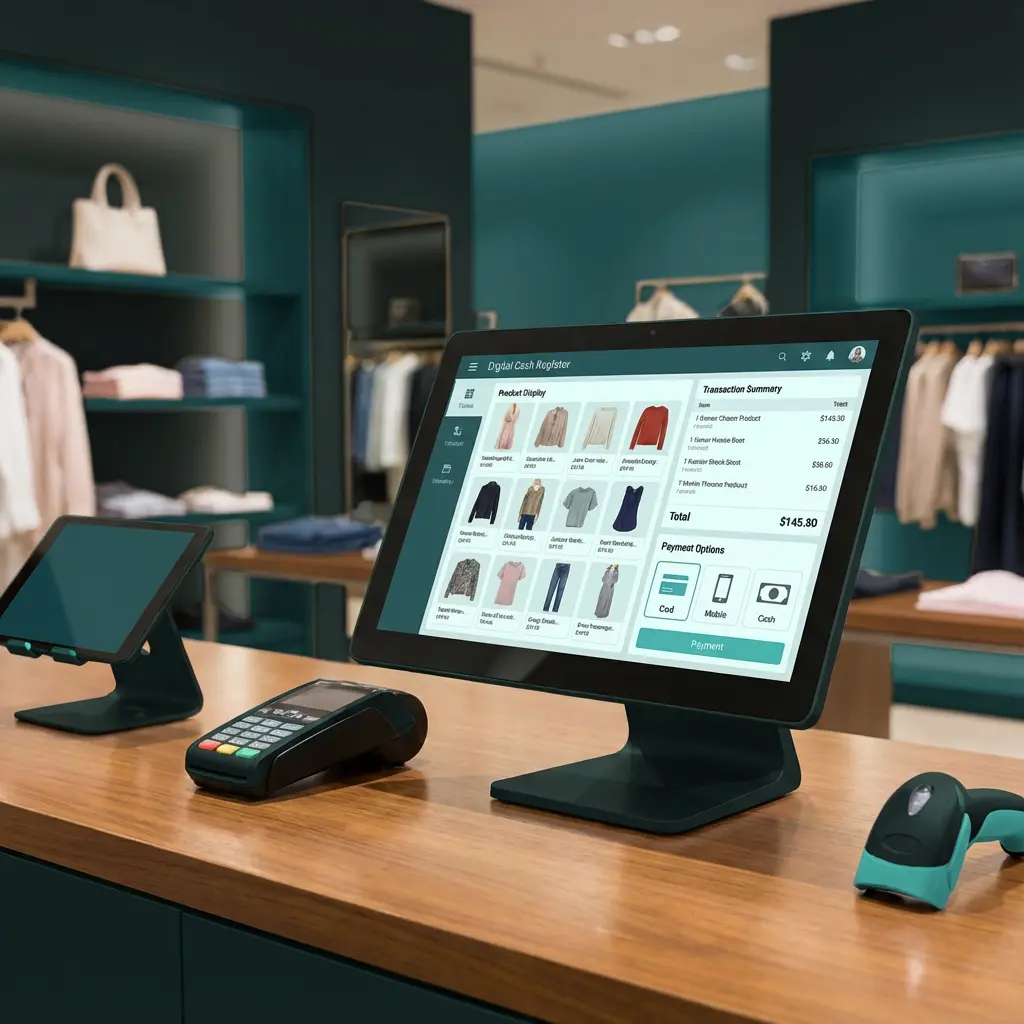
Modern Point of Sale solutions connect in-store operations with the broader commerce ecosystem, enabling seamless transactions, unified customer experiences, and real-time inventory visibility. A next-generation POS becomes the bridge between physical and digital retail—integrating pricing, promotions, order history, loyalty, and product data to create a single, cohesive unified commerce layer. Whether deploying cloud-based POS platforms, optimizing store workflows, or enabling mobile POS capabilities, the goal is to deliver fast, secure, and intuitive checkout experiences that empower associates and elevate in-store engagement.

Key Benefits:

  • Deliver faster, frictionless in-store checkout experiences
  • Gain real-time insight into inventory, customers, and orders
  • Unify in-store and online commerce journeys
  • Increase store associate productivity and customer engagement
  • Support advanced fulfillment and service scenarios

Technologies

Insights

The End Game: When AI Agents Become the Commerce Operating System
The Composable Commerce Migration: A Practitioner's Guide to Not Blowing It

Insights

The End Game: When AI Agents Become the Commerce Operating System
The Composable Commerce Migration: A Practitioner's Guide to Not Blowing It

Frequently Asked Questions - Agentic Commerce

What is agentic commerce?

Agentic commerce is a new way of buying and selling where AI agents take action instead of just giving suggestions.

These AI agents can search products, compare options, decide what to buy, and complete purchases automatically. They use AI and data to act on behalf of customers or businesses. According to Gartner, by 2028, over 15% of daily work decisions will be made autonomously by AI agents. McKinsey reports that AI-driven personalization can increase revenue by 10–15% in retail and digital commerce.

Agentic commerce is especially useful in enterprise eCommerce, retail, manufacturing and distribution, where speed and accuracy matter.

Agentic commerce works in five simple steps:

  1. Understanding intent
    The AI agent understands what the user wants using data, behavior, and past actions.
  2. Evaluating options
    It compares products, pricing, inventory, delivery time, and UX signals.
  3. Making decisions
    The agent chooses the best option based on rules, AI models, and business goals.
  4. Taking action
    It adds items to the cart, applies offers, and completes checkout.
  5. Learning continuously
    The agent improves decisions using feedback, analytics, and digital experience assurance data.

This makes commerce faster, smarter, and more scalable.

Common agentic commerce examples in retail include:

  • AI agents auto-reordering fast-moving products
  • Personalized product bundles created using AI and data
  • Dynamic pricing based on demand and inventory
  • AI agents managing subscriptions and returns
  • Smart product discovery based on UX and behavior signals

Retailers using platforms like Salesforce and Optimizely can embed agentic commerce into existing systems.

An agentic commerce protocol is a set of rules and APIs that allow AI agents to safely interact with commerce systems.

It defines:

  • How agents access data
  • How decisions are approved
  • How payments are executed
  • How security and compliance are enforced

Think of it as a governance layer that ensures AI agents act responsibly in enterprise commerce environments.

You can integrate agentic commerce in four practical steps:

  1. Connect your product, customer, and order data
  2. Add AI decision models for recommendations and actions
  3. Integrate with checkout, CRM, and inventory systems
  4. Monitor performance using analytics and digital experience assurance tools

Most integrations work well with headless commerce, SEO-friendly architectures, and modern UX frameworks.

When choosing a provider, look for:

A good provider should help you start small and expand into enterprise-grade agentic workflows over time.

The best agentic commerce tools usually combine:

  • AI-driven personalization
  • Real-time data processing
  • Behavioral analytics
  • Experimentation and optimization
  • Omnichannel UX support

Platforms built on AI and data foundations perform better in retail, manufacturing and distribution environments.

Leading platforms often include:

  • AI-first commerce engines
  • Enterprise CRM and CDP platforms
  • Digital experience platforms
  • Headless commerce frameworks

Solutions built on Salesforce, Optimizely, and modern AI stacks are commonly used by enterprise brands.

Agentic commerce improves engagement by:

  • Reducing friction in buying journeys
  • Delivering faster and smarter decisions
  • Creating highly personalized experiences
  • Improving UX across touchpoints
  • Using AI to adapt in real time

This leads to higher conversions, better retention, and measurable improvements in SEO performance and digital experience quality.

Other Services

Ai and Data

Ecommerce AI and Data

AI Product Development

Digital Experience Assurance

Digital Experience Assurance