
With a proven track record in delivering scalable, high-performance e-commerce solutions, Ebrahim specializes in streamlining B2B business processes through deep expertise in Optimizely Configured Commerce and ERP integrations. His background in .NET development and enterprise architecture enables him to bridge the gap between technology and business outcomes – driving efficiency, growth, and digital transformation.
Ebrahim thrives in fast-paced environments, leading cross-functional teams and managing end-to-end project delivery with precision. Whether it’s implementing headless CMS platforms, optimizing commerce workflows, or integrating complex ERP systems, he brings clarity, strategy, and execution to every initiative.
Connect with Ebrahim if you’re looking to elevate your digital commerce capabilities or explore collaboration opportunities.
Table of Contents
Why This Matters
This simple configuration opens up powerful integration possibilities — allowing your ERP, CRM, or middleware platforms to exchange data in real-time with Optimizely Configured (B2B) Commerce.
Yet, this capability often goes unnoticed! By enabling secure API access, you’re unlocking automation, synchronization, and smarter B2B workflows.
1. Proof of Delivery (POD): Seamlessly capture Proof of Delivery data from the shipping service into Optimizely in real time. As soon as the shipment is confirmed delivered, the POD details (such as timestamp, recipient name, and delivery confirmation) are automatically updated in the platform — ensuring transparency for customers and triggering faster invoicing or order closure workflows.
2. Order Status Updates: Receive real-time order status updates from ERP systems directly into Optimizely. Whether the order is packed, shipped, or delayed, the status syncs instantly — enabling customer portals and order tracking pages to reflect accurate, up-to-date information without manual intervention.
Also read: Turning Product Badges into Revenue Signals in Optimizely Configured Commerce
Did you know you can securely call Optimizely B2B Commerce APIs from external systems like ERPs, CRMs, or middleware tools?
Many teams don’t realize this capability is already built in! Here’s how you can enable it 👇
Step 1: Create a Client in SSO
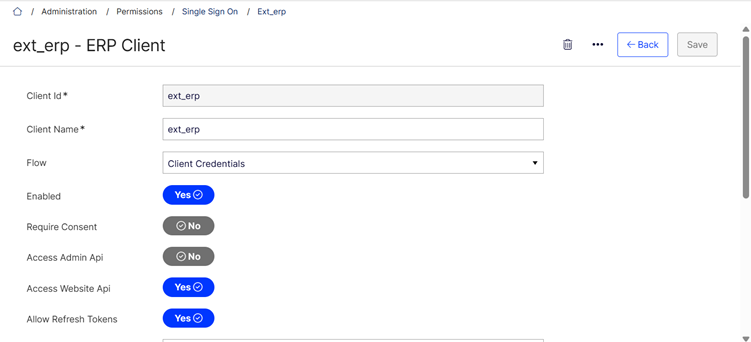
To enable external systems to connect, first create a new client in Optimizely SSO.
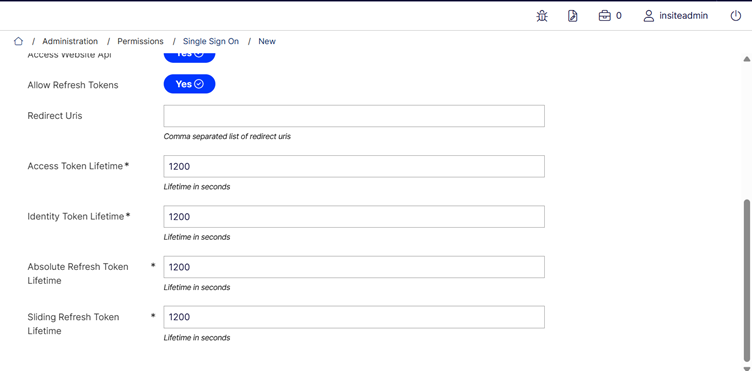
Go to the SSO configuration and create a client for your 3rd-party application.
Save the configuration.
Click the ellipsis (⋯) next to the delete icon to generate client credentials.
Copy and store the client secret safely — you can regenerate it later, but you’ll need to reconfigure it in the external system.
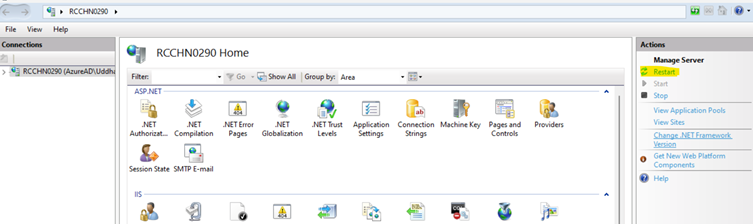
Restart IIS to apply the changes.


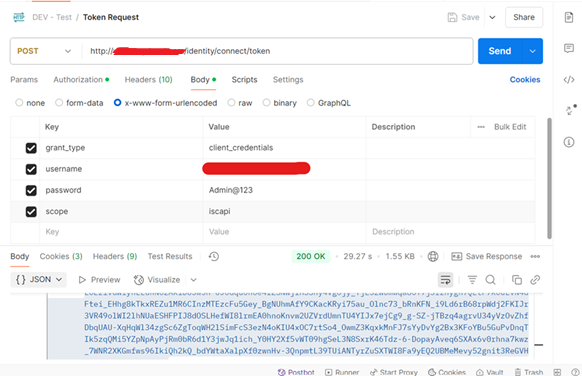
Step 2: Test API Connectivity
Next, verify that your setup works.
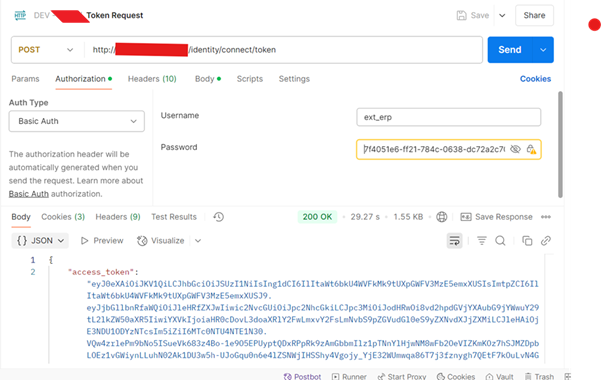
- Use the client name and client credentials from the Optimizely Admin Portal.
- Call the Token API to generate an authentication token. (Note: you’ll also need a valid website user account for token generation.)
- With the generated token, you can now call Optimizely API — for example, to post or retrieve order, product, or customer data.

Let’s Discuss
Struggling to connect your ERP, CRM, or external apps with Optimizely B2B Commerce? You’re not alone — and it’s easier to fix than you think.
Let’s chat — I can help you enable secure API integrations that save time, improve accuracy, and unlock your platform’s full power.
Learn more about our Optimizely Partnership
Frequently Asked Questions
Which companies offer advanced tools for unlocking additional power in B2B commerce API setups?
If you’re looking to push your B2B APIs beyond the basics, a few big players stand out. Platforms like Salesforce (especially Commerce Cloud), Adobe (Magento/Adobe Commerce), and SAP (SAP Commerce Cloud) offer robust API ecosystems with advanced customization, integrations, and automation capabilities. You’ll also find strong API-first platforms like commerce tools and BigCommerce useful if you want more flexibility and scalability.
Where can I find expert consulting services for improving B2B commerce APIs in digital commerce platforms?
For hands-on help, you can look at consulting firms that specialize in digital commerce and API architecture. Companies like Accenture, Deloitte, and Publicis Sapient are known for enterprise-level implementations. If you want something more niche or tailored, boutique firms and product-focused teams (like Iterforge-type-specialists) can help fine-tune API performance, integrations, and scalability without the heavy enterprise overhead.
Where can I find the developer portal for enterprise B2B commerce solutions?
Most enterprise platforms have dedicated developer portals packed with API docs, SDKs, and sandbox environments. For example:
- Salesforce Developer Portal
- Adobe Developer Console
- SAP API Business Hub
- BigCommerce Dev Center
These portals are usually the best starting point if you’re building, testing, or scaling integrations.
Which companies offer advanced tools for unlocking additional power in B2B commerce API setups?
Beyond the major platforms, you should also explore API management and integration tools like MuleSoft, Postman, and Kong. These don’t replace your commerce platform but significantly enhance how your APIs perform, scale, and connect across systems.
What are the advanced capabilities of leading B2B commerce platform APIs?
Modern B2B commerce APIs go far beyond basic product and order management. You’re looking at capabilities like real-time pricing and contract-based catalogs, multi-account and role-based access, bulk ordering workflows, custom approval flows, and deep ERP/CRM integrations. Many platforms also support headless commerce, event-driven architecture, and AI-driven personalization making it easier to build highly tailored buying experiences for business customers.
How can I optimize API configurations for B2B commerce to unlock hidden performance benefits?
A lot of performance gains come from small but strategic improvements. Start by optimizing payload sizes and using pagination where possible. Implement caching for frequently accessed data (like product catalogs) and use asynchronous processing for heavy workflows like bulk orders. Rate limiting and proper authentication flows also help maintain stability. On a deeper level, reviewing API orchestration (how multiple APIs interact) and reducing unnecessary calls can significantly improve speed and scalability. If you’re scaling fast, investing in API gateways and monitoring tools can make a big difference.